
Call: 08071630243
 Send Inquiry
 Send Inquiry
Industrial Ball Bearing
Industrial Ball Bearing Specification
- Cage Material
- Steel / Nylon (varies by model)
- Inside Diameter
- 25 mm
- Retainer
- Steel
- Precision Rating
- P0, P6, P5 (varies by application)
- Thickness
- 15 mm
- Lubrication Type
- Other
- Bearing Type
- Ball Bearing
- Material
- Other
- Structure
- Single row, deep groove
- Seals Type
- Open / ZZ / 2RS (Varies by model)
- Number Of Rows
- 1
- Bore Size
- 25 mm
- Outside Diameter
- 52 mm
- Limiting Speed
- Up to 11000 RPM (grease), up to 18000 RPM (oil)
- Load Capacity
- Dynamic: 25 kN, Static: 15 kN
- Corrosion Resistance
- Anti-corrosive treated for extended lifespan
- Standard Compliances
- ISO 9001, CE certified
- Packaging Type
- Box/Carton
- Hardness
- HRC 60-64
- Shape
- Round
- Feature
- High durability, low noise, excellent load bearing
- Operating Temperature Range
- -40C to 150C
- Finish
- Bright polished
Industrial Ball Bearing Trade Information
- Minimum Order Quantity
- 1000 Number
- Supply Ability
- 1000 Per Month
- Delivery Time
- 1 Days
About Industrial Ball Bearing
Industrial Ball Bearing
We make available a durable and quality assured range of Industrial Ball Bearing that is a mechanical object used to provide rotational movement to a stationary body without friction. This product is designed by circular balls that are raced between two cylindrical metallic plates. Offered bearing is widely acknowledged in the market due to its precise design and seamless operations. Our product finds its application in various places like assembling units, automotive plants, CNC machines, cutting machines, drilling machines, electrical motor assemblies.
Key Points:
- No requirement of lubrication
- Manufactured with anti-corrosive material
- Highly durable
Technical Specification
|
Bore Size |
10 - 200 mm |
|
Material |
Stainless steel |
|
Shape |
Round |
|
Surface Treatment |
Galvanized |
|
Usage/Application |
Industrial |
|
Colour |
Silver |
Reliable Performance Across Industries
Our ball bearings are precision-engineered to offer consistent, smooth performance in demanding applications, from industrial conveyors to high-speed motors. Their bright polished finish and deep groove design ensure minimal maintenance and a longer operational life cycle, maximizing machinery uptime.
Engineered for Sturdy Operation
These bearings withstand both dynamic (25 kN) and static (15 kN) loads efficiently. Their high carbon chromium steel construction and anti-corrosive treatment provide excellent resistance against wear, making them suitable for harsh working environments and frequent operational cycles.
Flexible Solutions for Every Requirement
With sealing, cage, and lubrication options tailored to specific operational needs, these ball bearings offer unmatched flexibility. Their compatibility with grease or oil lubrication and a variety of precision ratings ensure effective adaptation to different industrial setups and performance criteria.
FAQs of Industrial Ball Bearing:
Q: How are these industrial ball bearings installed in machinery?
A: These ball bearings can be fitted into equipment such as motors, pumps, and gearboxes by aligning the bore (25 mm) with the shaft and securing the bearing into the mounting housing. Use suitable tools and observe manufacturer guidelines for proper installation to ensure longevity and optimal performance.Q: What benefits do I gain from the high durability and low noise features of this ball bearing?
A: High durability extends service intervals and minimizes replacement downtime, while low noise operation is ideal for environments where quiet performance is critical, such as in precision machinery or automated systems. This combination results in a smoother, more reliable production process.Q: When should I choose open, ZZ, or 2RS seal types for my application?
A: For clean environments or high-speed needs, open type is preferred. ZZ (metal shields) are suitable for dusty areas, providing moderate protection. 2RS (rubber seals) offer maximum protection against moisture and contaminants, suited for harsher industrial settings. Selection depends on specific application requirements.Q: Where can I use these ball bearings effectively?
A: They are ideal for use in industrial machinery, conveyors, motors, pumps, and gearboxes. The bearings robust construction and broad operating temperature range (-40C to 150C) allow them to function in both indoor and outdoor or challenging industrial environments.Q: What is the process for maintaining these ball bearings?
A: Regular inspection for wear, periodic cleaning, and applying the recommended lubrication (grease or oil) help extend the bearings service life. Using the appropriate seal and lubrication reduces contamination and friction, ensuring optimal function and compliance with ISO 9001 and CE standards.Q: How does the anti-corrosive treatment benefit the bearings performance?
A: The anti-corrosive treatment significantly extends the bearings lifespan by protecting it against rust and deterioration when exposed to moisture or aggressive environments. This feature ensures reliable performance and lowers maintenance frequency, especially where exposure to chemicals or water is common.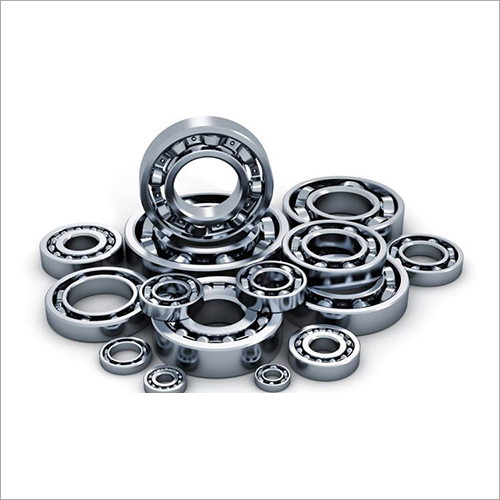
Tell us about your requirement

Price:
Quantity
Select Unit
- 50
- 100
- 200
- 250
- 500
- 1000+
Additional detail
Mobile number
Email

More Products in Industrial Bearing Category
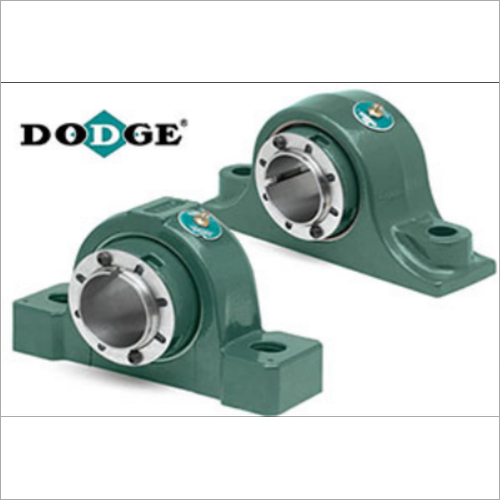
Industrial Dodge Bearing
Minimum Order Quantity : 1000 Pieces, Piece
Load Capacity : 1 Kilograms (kg)
Cage Material : 5
Structure : ALL
Inside Diameter : 1 Inch (in)
Lubrication Type : Grease

ACj Bearing
Minimum Order Quantity : 1000
Load Capacity : Standard
Cage Material : Steel
Structure : Deep Groove
Inside Diameter : 25 mm
Lubrication Type : Grease

Contact Details
SHREE SHAKTI TRADERS
GST : 07ADXPB9014D1ZL
- 79, 2nd Floor, G.B. Road,Delhi - 110006, India
- Phone :08071630243
 Send Inquiry
Developed and Managed by Infocom Network Private Limited.
