
Call: 08071630243
 Send Inquiry
 Send Inquiry
Needle Bearing
Needle Bearing Specification
- Cage Material
- Steel
- Thickness
- 16 mm
- Inside Diameter
- 15 mm
- Lubrication Type
- Other
- Precision Rating
- P0 (ABEC-1)
- Retainer
- Steel
- Bearing Type
- Needle Roller Bearing
- Material
- Other
- Structure
- Caged, Radial
- Seals Type
- Open
- Number Of Rows
- Single Row
- Bore Size
- 15 mm
- Outside Diameter
- 21 mm
- Limiting Speed
- 15000 rpm
- Load Capacity
- Dynamic 7000 N, Static 4500 N
- Temperature Range
- -20C to +120C
- Interchangeability
- ISO Standard
- Static Load Rating
- 4500 N
- Packaging Type
- Industrial Polybag/Box
- Dynamic Load Rating
- 7000 N
- Width
- 16 mm
- Corrosion Resistance
- Yes
- Surface Finish
- Polished
Needle Bearing Trade Information
- Minimum Order Quantity
- 1000 Number
- Supply Ability
- 1000 Per Month
- Delivery Time
- 1 Days
About Needle Bearing
Needle Bearing
We are a prominent company, successfully engaged in providing best grade Needle Bearing in the market. It is a special type of bearing which uses long but thin cylindrical rollers resembling needles. This bearing is specially designed to support the load of a shaft that is connected to the mechanical structure. Provided bearing is manufactured by utilizing supreme grade material for designing the internal needle sized rollers. The offered bearing is extensively used in automobile components such as pumps, transmissions, rocker arm pivots, compressors, motors etc.
Key Points:
- Can be operated on steep slopes
- Smooth rotations per minute
- Can be installed in low spaces
Technical Specification
|
Bore Size |
6.35 - 69.85 mm |
|
Shape |
Round |
|
Surface Treatment |
Galvanized |
|
Surface Finishing |
Chrome Plated |
|
Color |
Silver |
|
Material |
Stainless steel |
Engineered for Demanding Applications
This needle roller bearing is tailored for automotive, gearbox, transmission, and textile machinery, providing reliable service even under fluctuating loads and high-speed conditions. Its dynamic loading capacity of 7000 N and corrosion-resistant steel design make it an excellent choice for industries requiring durability and precision. Offering an open seals type and radial, single-row configuration, it ensures stable operation and effortless maintenance.
Precision Standards and Easy Interchangeability
Manufactured to ISO interchangeability standards and a precision rating of P0 (ABEC-1), this bearing guarantees consistent performance and compatibility. Its steel cage and retainer provide robust support for needle rollers, while the open structure allows for effective lubrication. Each bearing is meticulously packaged in industrial polybags or boxes, ensuring it reaches the customer in premium condition.
FAQs of Needle Bearing:
Q: How should this needle bearing be installed for optimal performance?
A: Ensure the bearing is mounted in a clean, dry housing using suitable tools to avoid damaging the polished surface. Use the correct grease or lubricating oil, aligning with the open design for proper flow and longevity. Follow ISO-standard installation procedures for best results.Q: What are the primary applications for this needle roller bearing?
A: This bearing is ideal for use in automotive gearboxes, transmission systems, and textile machinery, where its high load capacity, corrosion resistance, and compact, single-row radial design ensure reliable, long-lasting performance.Q: When is it necessary to relubricate the bearing during operation?
A: Relubrication intervals depend on operating conditions such as load, speed, and environment. For typical use within the specified temperature and speed limits, periodic checks and lubrication at recommended intervals from your maintenance guidelines are advisable to ensure sustained efficiency.Q: Where can I source this needle bearing in India?
A: This product is available through authorized distributors, exporters, importers, suppliers, and traders across India. It can be ordered in industrial polybag or boxed packaging, ensuring safe delivery and compatibility with standard fittings.Q: What is the process for selecting the right lubricant for this bearing?
A: Select grease or lubricating oil that matches the applications temperature, speed, and load requirements. The open-seal design is compatible with various lubricants, but using products recommended by the manufacturer helps maintain optimal performance and longevity.Q: How does the ISO interchangeability benefit users in maintenance and replacement?
A: ISO standard interchangeability ensures that the bearing can be easily replaced or integrated into existing machinery without the need for customization, simplifying maintenance and reducing downtime significantly.Q: What advantages does the high carbon chrome steel material provide?
A: High carbon chrome steel offers exceptional strength, wear resistance, and durability, making the bearing suitable for demanding applications involving high dynamic and static loads, frequent use, and exposure to humidity or corrosive environments.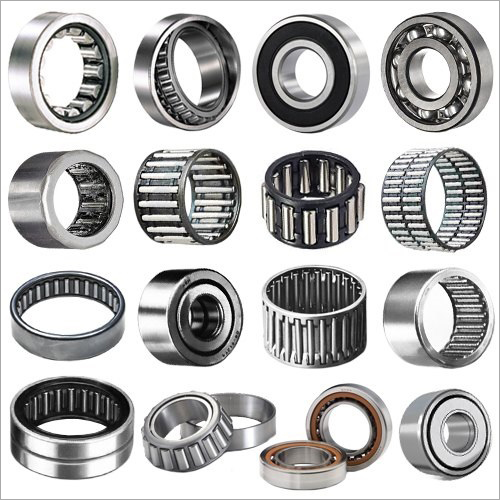
Tell us about your requirement

Price:
Quantity
Select Unit
- 50
- 100
- 200
- 250
- 500
- 1000+
Additional detail
Mobile number
Email


Contact Details
SHREE SHAKTI TRADERS
GST : 07ADXPB9014D1ZL
- 79, 2nd Floor, G.B. Road,Delhi - 110006, India
- Phone :08071630243
 Send Inquiry
Developed and Managed by Infocom Network Private Limited.
